

Top Takeaways from BETT EXPO 2026, LONDON
By Dawn Taylor, Founder, Challenge Innovate Grow | Author of Behind the Algorithm
Bett 2026: A Turning Point for Global Education
As the world’s largest education technology event, Bett UK 2026 in London promises to be more than a showcase of tools — it will be a stage for the deep, system-wide rethinking of education in the age of AI.
This year’s sessions will probe the biggest questions in learning: not just what students need to know, but how they should think.
One of those critical sessions comes from Dawn Taylor, whose writing and leadership are reshaping how schools view pedagogy in an AI-rich world. Her talk — “The Changing Role of a Teacher in the Age of AI” — sets the tone for a new era of teaching.
📘 The Conditions of Learning Have Changed
For centuries, the basic structure of learning remained unchanged: teachers held the knowledge, students received it, and understanding was measured through recall, repetition, or application. It made sense in a world where information was scarce, slow, and stable.
The internet changed that — and now, AI is accelerating the transformation.
We no longer teach students to find information; now, we must teach them to judge it.
Generative AI doesn’t just retrieve answers — it produces them: structured, polished, and confident. Yet behind this confidence often lies flawed logic, hallucinated facts, or unchecked bias. In this world, the learner’s job is no longer to build from scratch — it is to critically evaluate what already exists.
This changes everything.
🧠 Teaching Thinking — Not Just Content
Whether students use ChatGPT, Google, or a textbook, the challenge is the same:
They must learn to think, not just to answer.
Surface fluency is no longer enough. Learners must question, compare, test, and justify.
Can they defend an idea? Challenge it? Improve it?
These cognitive skills don’t develop by chance. They must be taught explicitly. Teachers must model critical thinking, make their own reasoning visible, and build time for students to practise — regularly and across all subjects.
This is not a “soft skill”; it’s now a survival skill.
🔍 Making Learning Visible
A polished final paragraph tells us little about how a student got there — and with AI, that problem is even worse.
What teachers need is visibility into the process:
What choices were made?
What reasoning was used?
What doubts were raised?
What sources were trusted — and why?
Well-designed tasks allow us to see these decisions. When students compare alternatives or revise weak reasoning, we learn far more about their understanding than any final draft can reveal.
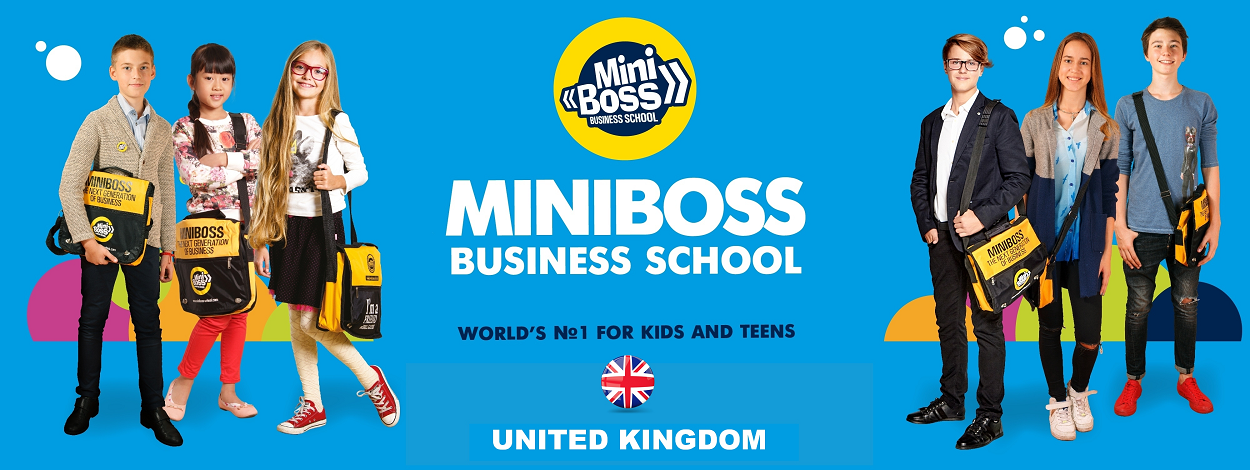
Why It Matters for Young EntrepreneursAt MINIBOSS, you’re not just learning facts — you’re learning to think like a leader. But here’s the truth: AI has changed the game. It can write essays, answer questions, and explain things better than most humans… but not always correctly.
That’s why the skill of the future isn’t knowing — it’s thinking smart.
Key Skills You Need to Succeed in 2026
1. Judge, Don’t Just Copy
AI gives answers instantly. But are they right?
You must learn to:
2. Show How You Think, Not Just What You Made
One perfect answer isn’t enough anymore. Your teachers — and future clients — want to see your ideas, your decisions, and your problem-solving.
So in class or projects:
Final Words from Bett UK
The future of learning is not just about more tech — it’s about better thinking.
At MINIBOSS, you’re already building those muscles: thinking, checking, solving, and leading.
The world will always need smart doers.
Make sure you’re one of them.
That’s why the skill of the future isn’t knowing — it’s thinking smart.
Key Skills You Need to Succeed in 2026
1. Judge, Don’t Just Copy
AI gives answers instantly. But are they right?
You must learn to:
- Check if info is true
- Compare ideas
- Spot errors or bias
- Explain why you trust something
2. Show How You Think, Not Just What You Made
One perfect answer isn’t enough anymore. Your teachers — and future clients — want to see your ideas, your decisions, and your problem-solving.
So in class or projects:
- Share how you came up with your ideas
- Show different options you considered
- Explain what made your solution better
3. Use AI — But Use It Wisely
AI is a tool, not a brain.
You can use it to:
Where did this info come from?
AI is a tool, not a brain.
You can use it to:
- Get ideas
- Organize thoughts
- Learn new things
Where did this info come from?
- What would I add or change?
- What do I believe — and why?
Final Words from Bett UK
The future of learning is not just about more tech — it’s about better thinking.
At MINIBOSS, you’re already building those muscles: thinking, checking, solving, and leading.
The world will always need smart doers.
Make sure you’re one of them.


